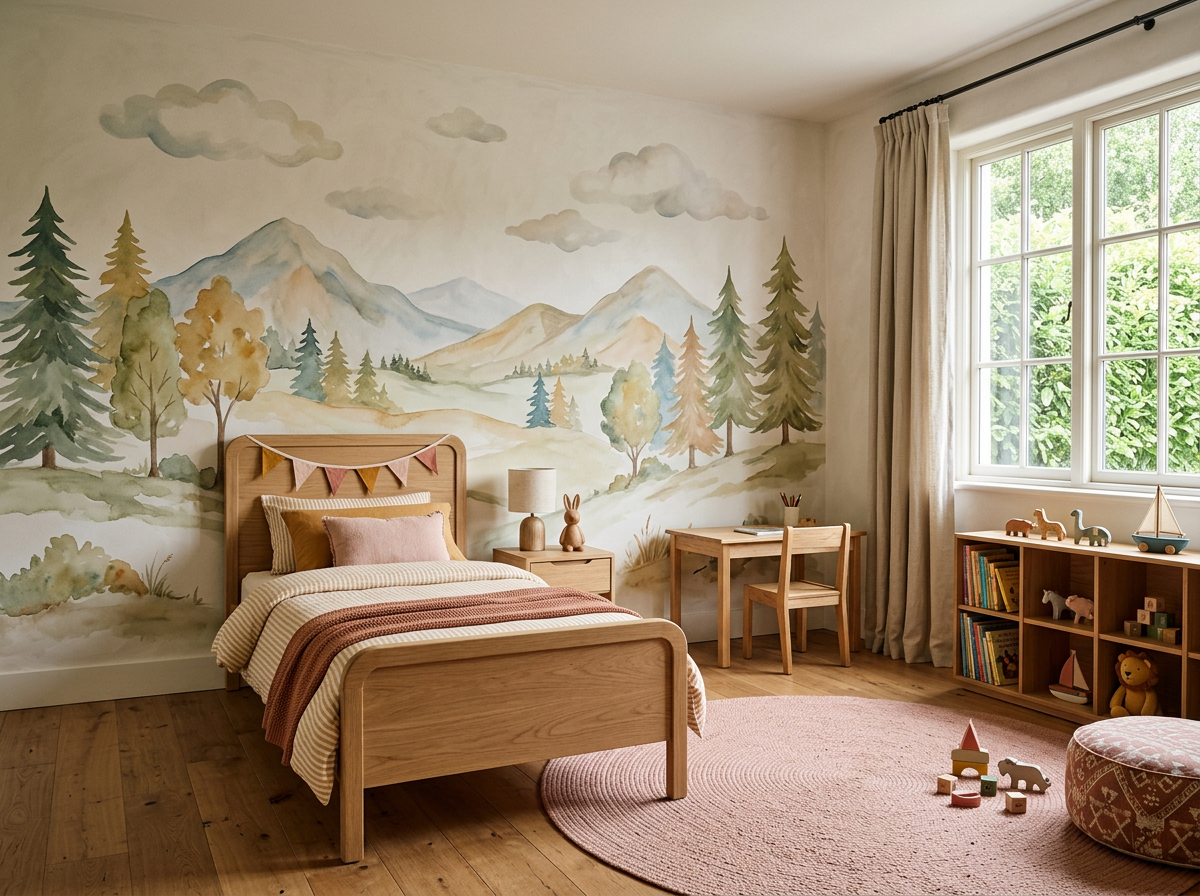
Mass-produced furniture looks perfect. And that's the problem. After a decade of identical flat-pack pieces, homeowners are choosing objects that look like a person actually made them.
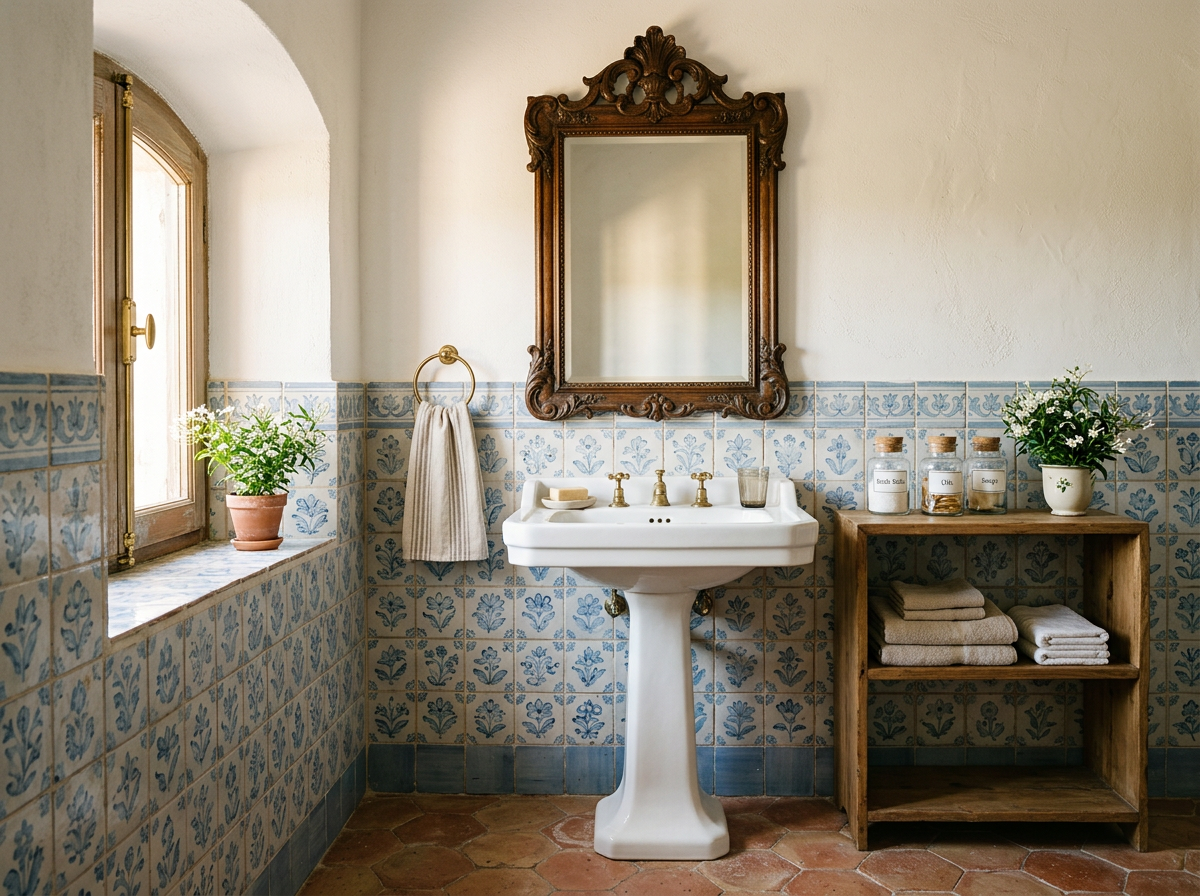
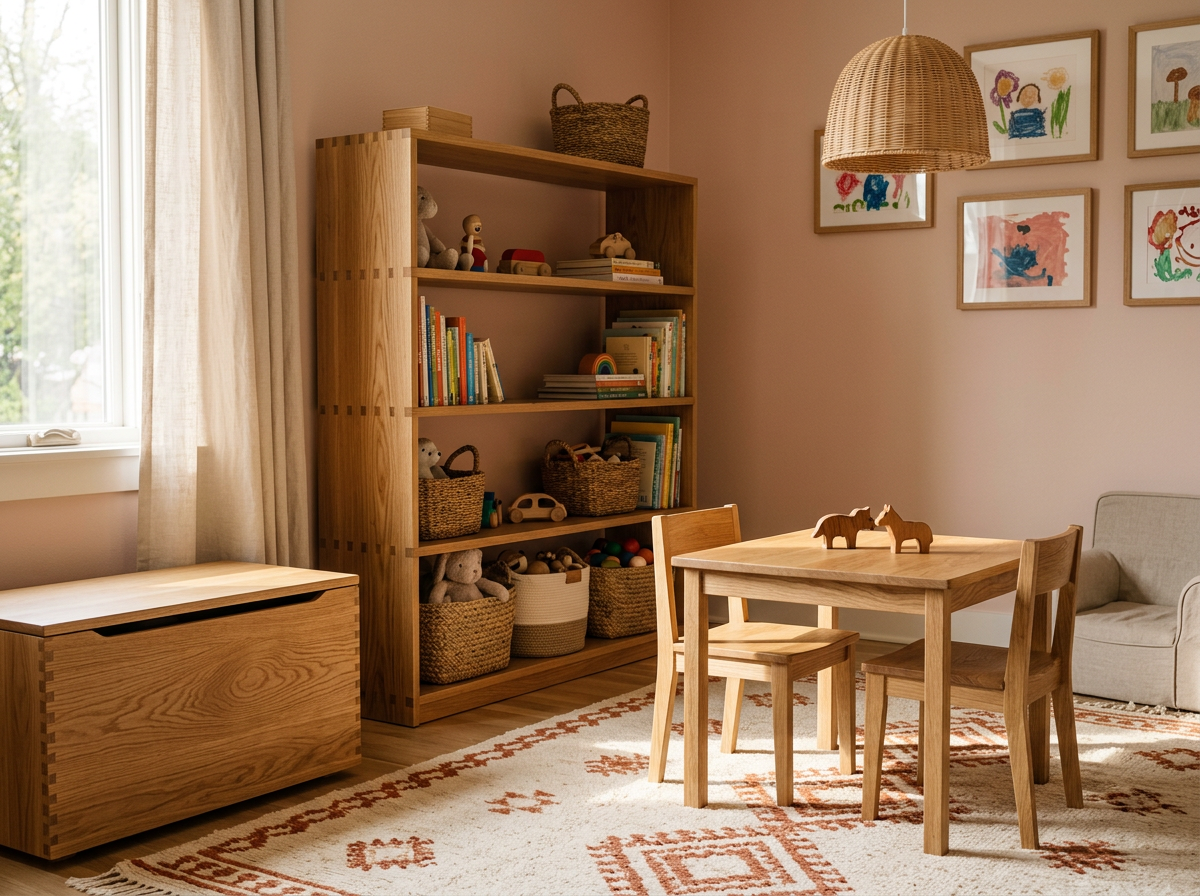
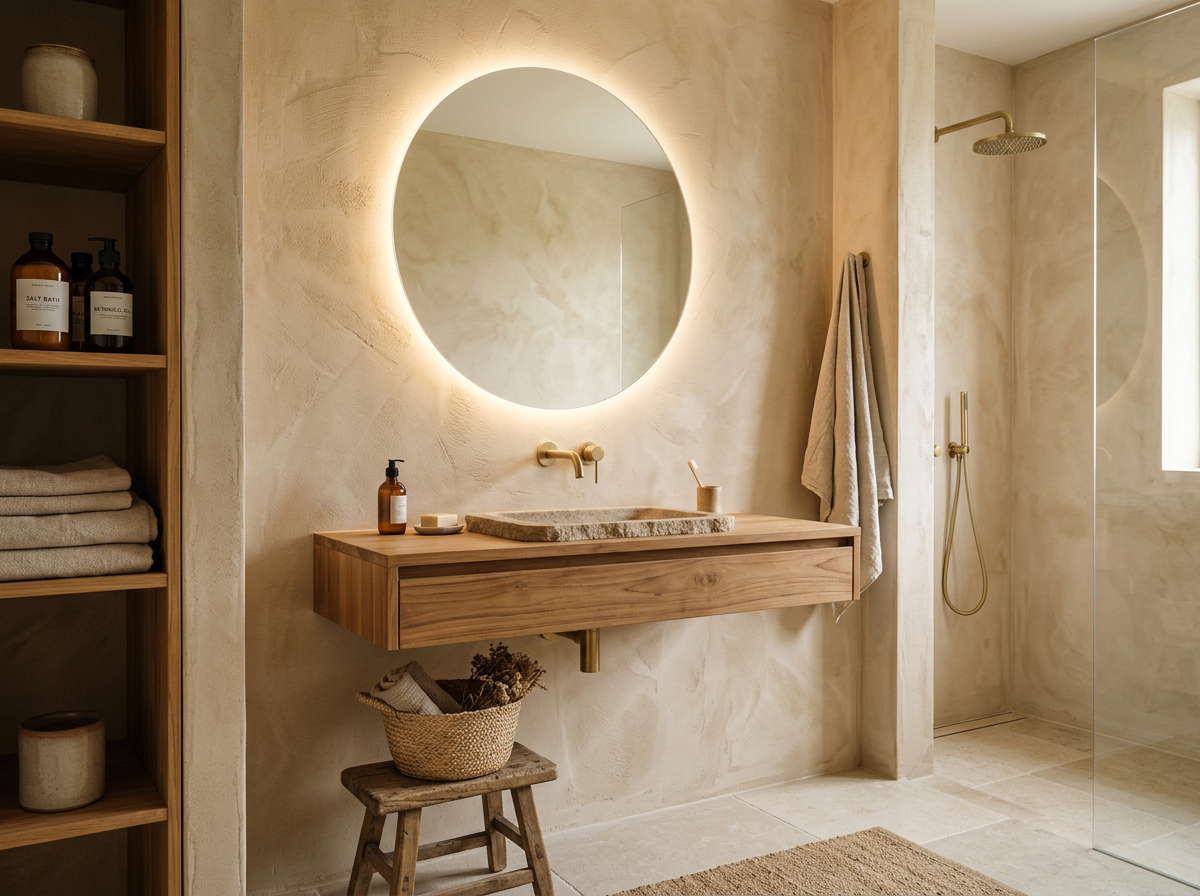
The artisan craftsmanship trend shows up in the details: hammered metal door handles, hand-thrown ceramic sinks, tiles where the glaze varies slightly from piece to piece, tables with visible dowel joints and hand-rubbed oil finishes. These aren't flaws. They're the point.
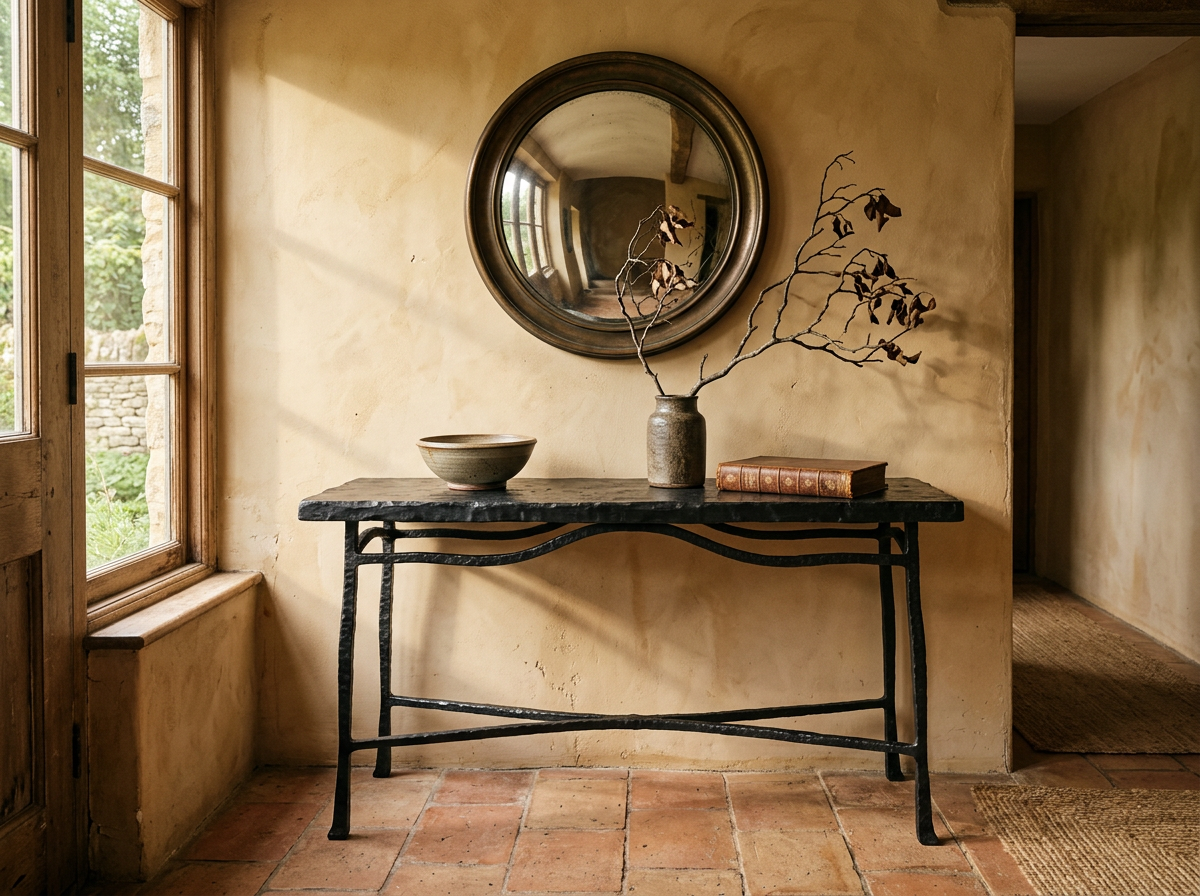
It's not just about buying "handmade" as a label. It's about choosing materials and finishes where the making process is visible. A blacksmith's hammer marks on an iron console leg. The slight wobble in a hand-pulled glass pendant. A ceramic basin where you can see the potter's thumbprint in the clay.
These pieces also happen to last. A hand-forged iron table develops patina over years instead of peeling like a powder-coated one. A solid wood cabinet with real joinery can be repaired and refinished. In a time when sustainability matters, buying fewer things that last longer makes sense.