Biomorphic furniture borrows its shapes from biology. Root systems, seashells, tree trunks, water ripples. The pieces aren't literal copies of nature but abstractions that follow the same growth logic.
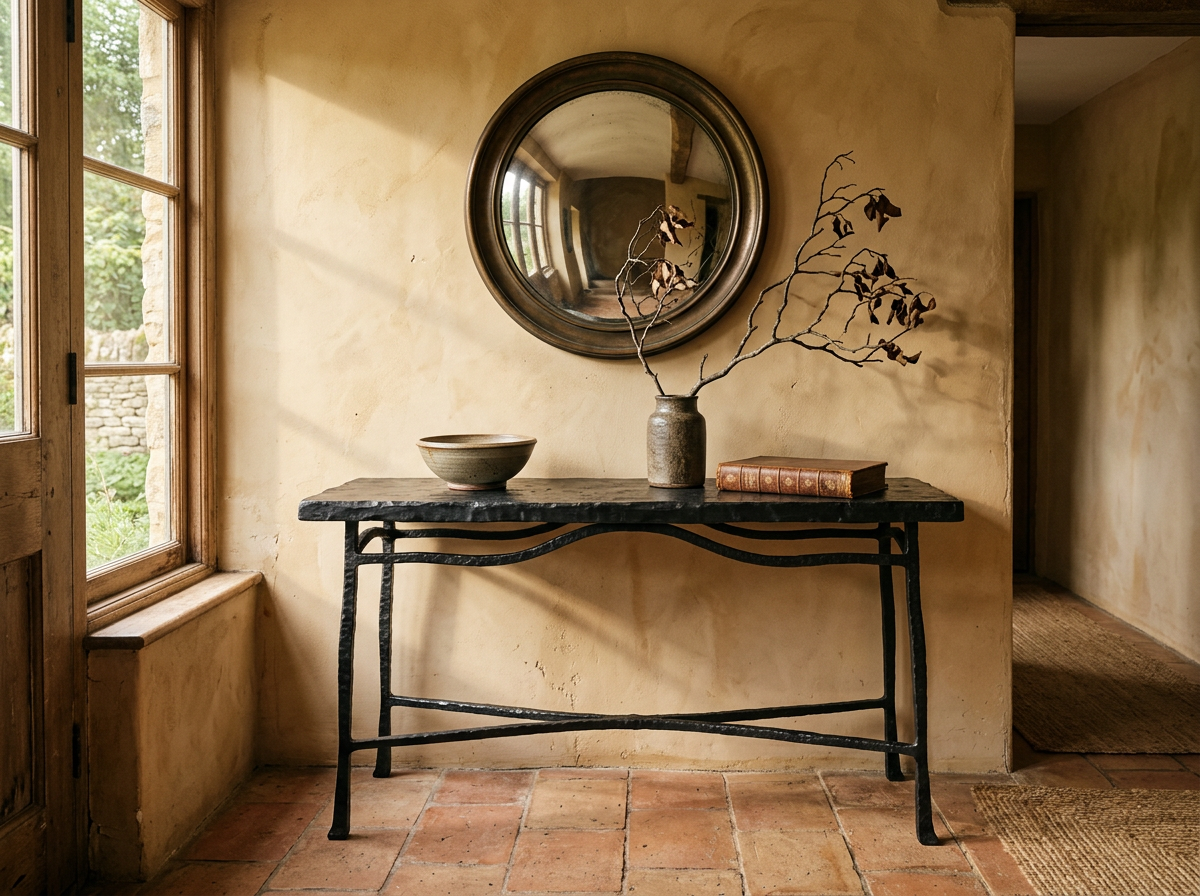
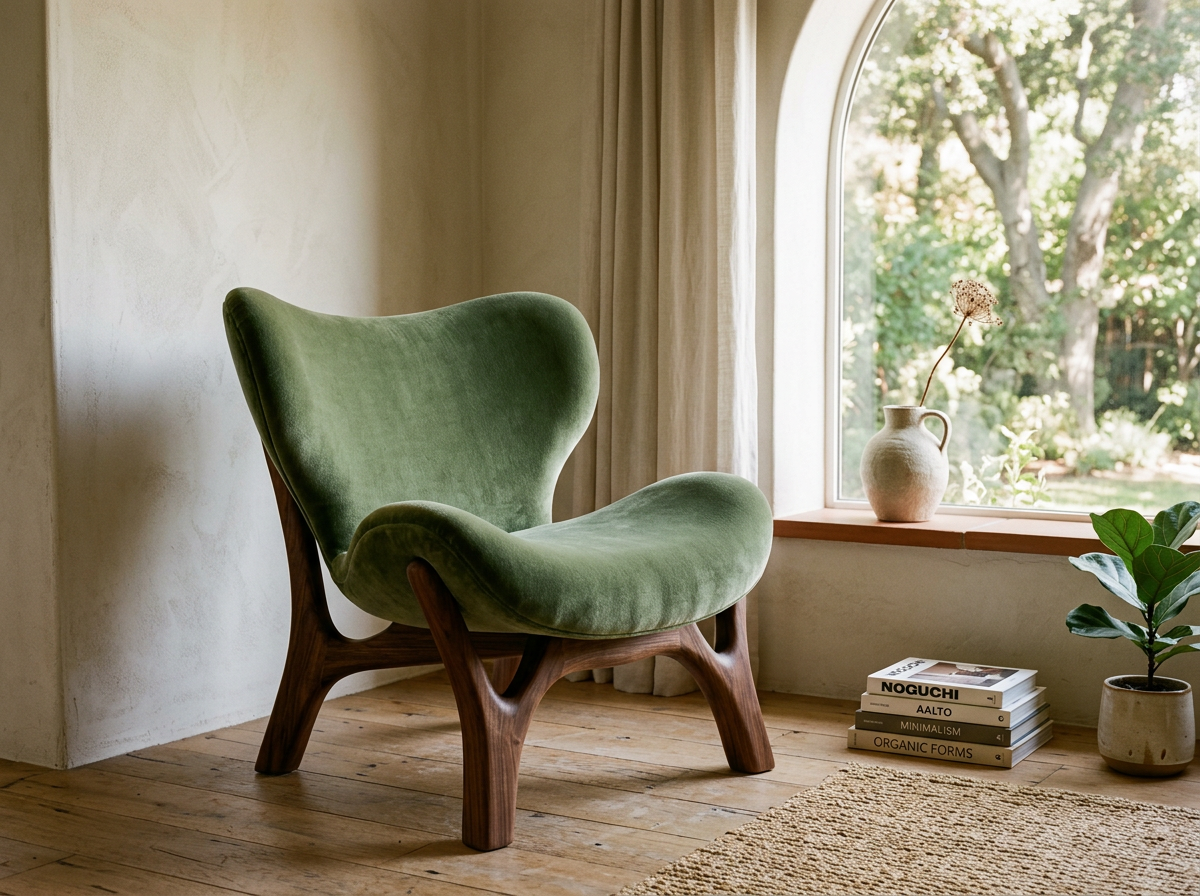
In 2026, this shows up as chairs with legs that splay outward like tree roots, coffee tables with tops that gently undulate, and shelving units that branch at angles instead of stacking in straight lines. Materials range from carved solid wood to molded resin and cast aluminum.
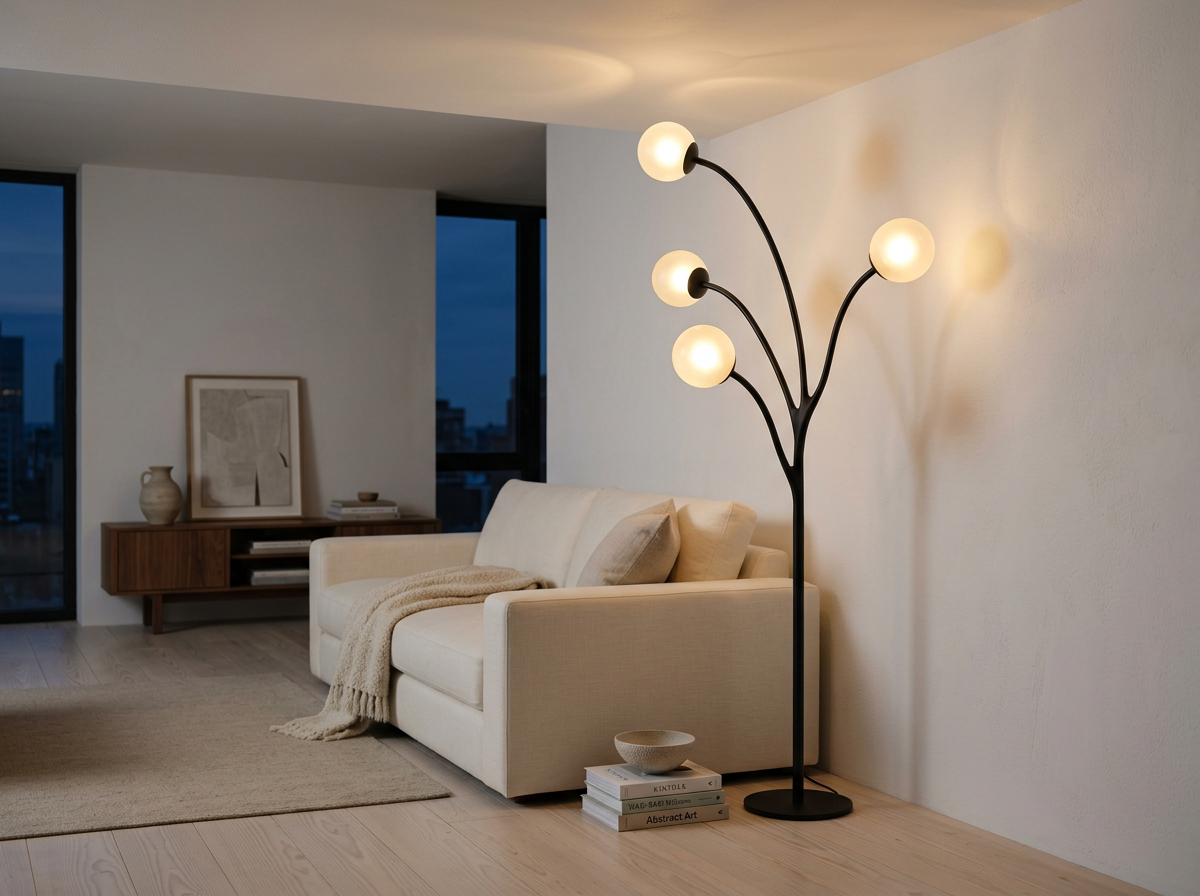
Why does it work? Put one biomorphic piece in an otherwise straight-lined room and it immediately becomes the focal point. A sculptural accent chair in a minimal living room. A branching floor lamp next to a clean-lined sofa. The contrast between organic and geometric makes both elements stronger.
You don't need to furnish an entire room this way. One or two biomorphic pieces per space is enough. The goal is contrast, not a theme park.